Carbon monoxide poisoning causes around 15-20 deaths in the Netherlands every year. Many more people are admitted to hospital with severe symptoms caused by it. CO is a toxic gas you can’t see, smell, or taste, which is exactly why it’s often called the “silent killer.”
The gas forms through incomplete combustion, for example when burning natural gas. This makes it possible for the gas to spread through a home or building and, without the people inside realizing it at first, poison everyone present.
How do you recognize carbon monoxide poisoning?
CO poisoning is difficult to recognize, since the symptoms that occur aren’t usually linked to the gas right away.
| Concentration (ppm) | Effects of CO exposure (time-weighted average) |
|---|---|
| 6 | Maximum permissible concentration for continuous 24-hour exposure, per WHO guidance |
| 150 | Mild headache after 1.5 hours |
| 200 | Mild headache, fatigue, nausea after 2-3 hours |
| 400 | Frontal headache within 1-2 hours; life-threatening after 3 hours |
| 800 | Dizziness, nausea and convulsions within 45 minutes; unconscious within 2 hours; death after 2-3 hours |
| 1600 | Headache, dizziness and nausea within 20 minutes; death within 1 hour |
| 3200 | Headache, dizziness and nausea within 5-10 minutes; death within 25-30 minutes |
| 6400 | Headache, dizziness and nausea within 1-2 minutes; death within 10-15 minutes |
| 12800 | Death within 1-3 minutes |
The Dutch boiler law (gasketelwet)
As of 1 April 2023, the Netherlands introduced the “gasketelwet” (boiler law), aimed at reducing the number of carbon monoxide-related accidents. Under this law, only certified installation companies and technicians, holding proof of competence (CO certification) and carrying a personal CO gas detector, are permitted to carry out work on a central heating boiler.
What’s new is that technicians must measure not only the values in the flue gas duct, but also the ambient air in the boiler room itself. They’re also required to check the room before leaving it. The measured value when releasing the boiler room for use must be below 5 ppm CO.
If a level above 20 ppm carbon monoxide is present, the technician is required to report this to the relevant authority, after first taking the necessary steps to remove the cause.
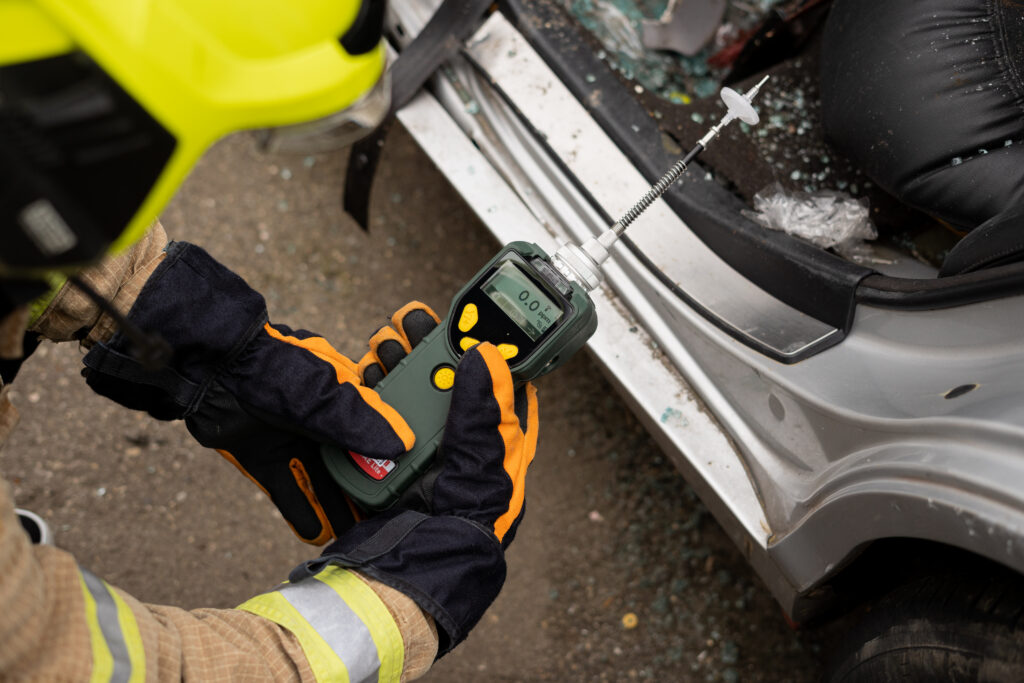
Detecting these levels is straightforward with a personal CO detector, such as the WatchGas SST1 CO or a WatchGas PDM+. A personal CO gas detector protects the technician from exposure to unsafe levels by alerting them through sound, light and vibration when levels get too high.
Get in touch
Need advice on which device is right for your application? Feel free to reach out at info@7solutions.nl or call us directly on +31 (0)10 27 99 991.